
Guia de leitura
C'hoarioù hiziv gant skor e-pad ar mare
Kontign C'hoarioù hiziv gant skor e-pad ar mare Skor Nigeria ha Island hag Arvestoù Etrevroadel all Roll ar C'hoari-championad Brasil 2013 : Istor ha Talvoud
Ler artigo ↗Live casino calls for attention to detail. Here, the focus is to show what changes between roulette and blackjack, how the table’s pace influences the reading of the game, and why it is worth comparing the format with other areas of placar before moving on.
If the idea is to start with the basics, there are direct paths to go deeper into the topic, review table games, or move on to other categories of the portal. No rush. No noise.
Informational content for adults in Brazil. Check the internal pages for context, terms, and the limits of what each category covers.
The appeal of live casino lies in the feeling of following an ongoing table. This requires a different reading from that of an automatic game. What matters is not only the table’s name, but the kind of decision it calls for, the sequence of rounds, and the space there is to observe before joining in.
In live casino, the first care is to understand that the table does not exist only as appearance. There is rhythm, a participation limit, and its own logic in each round. This changes the way you observe before acting. Anyone who joins without watching the sequence may lose the context of the ongoing play. That is why it is worth following a few initial moments, noticing how decisions appear on screen, and seeing whether that table’s format matches the attention you want to keep.
Another important point is distinguishing visual from function. A table may look simple, but still bring rules that require quick reading and objective choices. In others, what stands out is precisely the more open pace, with room to observe more before deciding. Understanding this difference avoids wrong expectations. Placar, in this sense, works better when the user reads the table as a set of signals, not as an isolated image.
The clarity of the rules also matters more when the action happens live. Even with video mediation, responsibility remains with the player, who needs to know what each option represents. It is not enough to recognize the game’s name; you need to understand how the round is organized, which moves make sense, and where attention should be focused. This reading reduces confusion and helps keep the experience more consistent with what the table really offers.
Another useful detail is to notice how much the interface helps or hinders understanding. Scattered information, hard-to-see buttons, or too many elements on the screen can confuse anyone who is still getting used to it. A cleaner presentation, on the other hand, helps you follow the table without unnecessary effort. In live casino, this kind of organization matters because the decision usually happens while the round is active, and any doubt can affect how you read it.
It is also worth noting that the experience changes depending on the type of table game. Some formats call for more continuous follow-up, while others allow more natural pauses between one action and the next. This influences how you enter, observe, and leave the table. Anyone who understands this variation can better choose what they want to see on the scoreboard, without mixing entertainment expectations with the specific dynamics of each game.
In the end, the detail matters because live casino is made of observation, rules, and reaction time. The right table is not just the most eye-catching one, but the one that matches the level of attention you intend to give. When that fit happens, the experience becomes clearer and less impulsive. If the idea is to navigate more consciously, the best path is to look at the table calmly, compare the format, and only then decide where it makes sense to join.
Not every interest in live casino leads in the same direction. Sometimes, the person wants more visual variety. At other times, they want a table with familiar rules. There are also those who prefer to switch focus and move on to sports. The point is to compare calmly, without putting everything in the same bag.
Slots are often the gateway for those who prefer a fast pace and more immediate mechanics. The focus changes: less table, more spinning and symbols.
Table games bring the user closer to classic rules, with a more stable structure and a more predictable reading of the match.
Sports come into play when the interest shifts to following events and reading the scenario, not the live table dynamic.
A useful way to read this is to think about what each format asks of your attention. In live casino, the table usually requires continuous follow-up, because each round depends on the flow of the broadcast and real-time decisions. In slots, the interaction is more direct and individual, with fewer steps to understand. In table games, the interest usually comes from the fixed rules and the sense of control over the sequence, which helps those who prefer to observe before acting.
It is also worth noting that the choice does not have to be final. Many people switch between one format and another depending on the moment, the time available, or the kind of experience they are looking for. This exchange makes sense when the goal is to avoid forced comparisons between different offerings. Instead of looking for an absolute “best”, the most practical approach is to identify which pace matches the reading the person wants to make at that moment of access.
If the doubt is between curiosity and familiarity, the simplest path is to separate what is visual, what is strategic, and what is just follow-up. That way, live casino remains a real-time table experience, slots become a spinning dynamic, and table games become a classic structure. This division reduces noise and helps explain why each format attracts different profiles within the same portal.
Anyone who arrives at live casino does not always want to stay only there. It can be useful to browse between topics to understand what each format delivers and what it does not deliver. This comparison avoids rushed reading and helps you choose more carefully.
| Format | What stands out | Useful reading on the scoreboard |
|---|---|---|
| Live casino | Real tables, dealer on video, and round followed in real time. | Good for understanding pace, rules, and the difference between tables. |
| Slots | Visual spinning, symbols, and more direct mechanics. | Helpful when the preference is for a faster experience to follow. |
| Table games | Classic structure and focus on the game rules. | Useful for comparing with live casino without relying on video. |
| Sports | Another kind of reading, tied to following events. | Serves as an alternative when the idea is to vary the theme within the portal. |
In live casino, the table is streamed on video and run by a dealer. In table games, the focus is usually more on the rules and structure of the game than on the broadcast itself.
Because the experience changes quite a bit between the two. Roulette highlights the spin and the variety of bets; blackjack calls for a more direct reading of the hands and the sequence of decisions.
The placar brings together related topics, such as slots, table games, and sports, so the comparison does not get stuck in a single format.
Yes. Sometimes understanding slots or table games first makes live casino clearer when you come back. Other times, sports work as a thematic break before moving on.
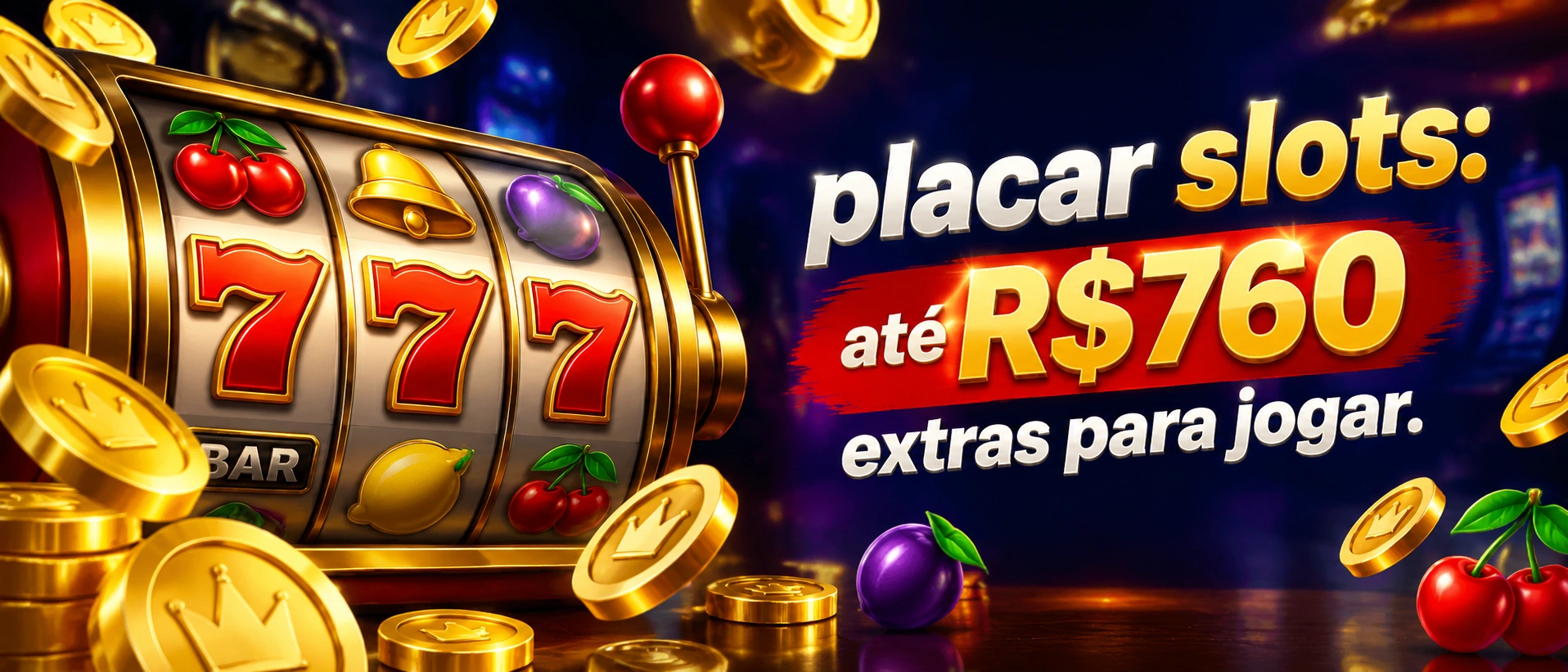
Guias para aprofundar o assunto, no seu ritmo.
Kontign C'hoarioù hiziv gant skor e-pad ar mare Skor Nigeria ha Island hag Arvestoù Etrevroadel all Roll ar C'hoari-championad Brasil 2013 : Istor ha Talvoud
Ler artigo ↗
Placar Flamengo e São Paulo de Hoje: Resultado Atualizado e Análise Completa Conteúdo do Artigo Placar Flamengo e São Paulo de Hoje Análise do Jogo…
Ler artigo ↗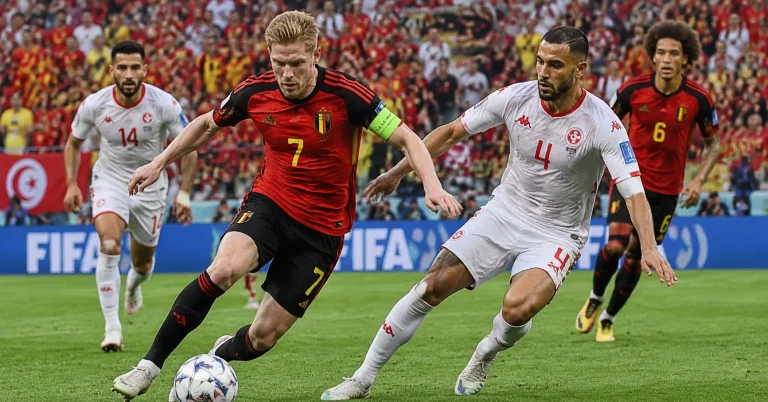
Kontign ar pennad Petra eo ar skor etre Belgia ha Tunizia Analyz ar c'hoari etre Belgia ha Tunizia Danevelloù istoriel pouezus Kontekst ar skor evit…
Ler artigo ↗