
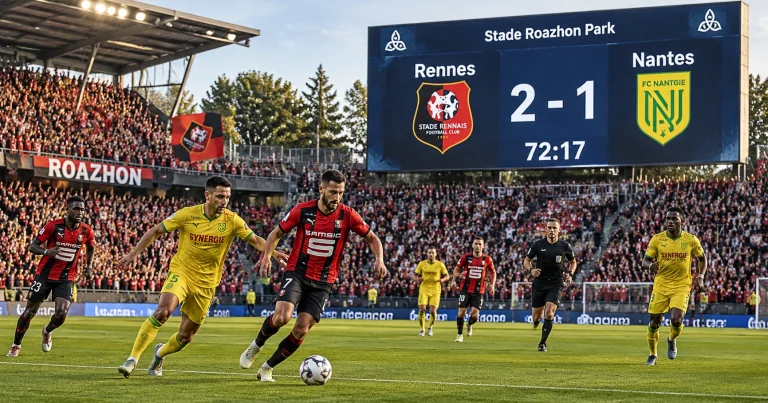
Guia de leitura
C'hoarioù hiziv gant skor e-pad ar mare
Kontign C'hoarioù hiziv gant skor e-pad ar mare Skor Nigeria ha Island hag Arvestoù Etrevroadel all Roll ar C'hoari-championad Brasil 2013 : Istor ha Talvoud
Ler artigo ↗At placar, the editorial approach starts with what really matters for anyone who wants to understand bonuses in online casino and electronic games: rules, conditions, transparency, compatibility with the chosen game, and careful reading of the content before any decision.
Instead of ready-made promises, the focus is on explaining how to identify terms, check limits, notice usage requirements, and compare bonus pages more safely. The reading also connects with slots, live casino, table games, sports, and app, because the user experience changes depending on the type of game and the access context.

A bonus may seem attractive at first glance, but what determines its usefulness lies in the details. It is worth checking whether the offer makes sense for your gaming style, whether the text is clear to read, and whether the page presents the information without hiding essential points in fine print or vague language.
A bonus only makes sense when the visual presentation matches rules that can truly be understood without effort. Before being guided by colors, seals, or flashy calls to action, it is worth reading the text calmly and identifying what is a mandatory condition, what is general guidance, and what depends on user action. This separation avoids rushed interpretations and helps you see whether the proposal is organized transparently.
It is also important to observe whether the page clearly explains which steps need to be completed for the bonus to have practical use. When the information appears scattered, with sentences that are too short or terms that are not well defined, the risk of confusion increases. In a well-structured piece of content, the reader can quickly understand what needs to be checked before moving forward, without relying on assumptions or reading between the lines.
Another useful point is to check whether the offer is aligned with the type of game mentioned on the page itself. Not every highlight suits every user profile, and this becomes more evident when the text states where the bonus can be applied, in what context it appears, and which limits are relevant. This reading prevents the visual appeal from hiding incompatibilities that only show up later.
The way the terms are presented also deserves attention. If the content mixes explanations, examples, and warnings without order, the visual highlight may seem stronger than the information really is. For that reason, it is worth looking for passages that indicate restrictions, deadlines, participation criteria, and any reading requirements. The more direct this organization is, the easier it is to assess the offer critically.
In addition, it is prudent to observe whether the language is consistent from beginning to end. When the page alternates broad promises with imprecise details, the reader may get the impression that there is more advantage than was actually described. A useful text usually keeps the same level of objectivity, without exaggerating the appeal and without leaving important gaps for later interpretation.
Finally, the visual highlight should be treated as a starting point, not as proof of value. The safest decision comes from reading the full text, comparing what is announced with what is explained, and paying attention to what is actually written. That way, the reader can analyze the bonus more carefully, without focusing only on what catches the eye first.
A good analysis starts with simple questions: what is being offered, for which game, under what conditions, and with what level of clarity? When these answers appear early, the comparison between pages becomes more objective.
Among bonus pages, some elements help separate well-explained content from rushed content. Specific titles, direct explanation of terms, links to relevant internal pages, and consistent language are positive signs. Too many adjectives, confusing explanations, and lack of context call for more cautious reading.
A good text about bonuses usually shows, right at the beginning, what the purpose of the offer is and where it fits in the journey. When the explanation distinguishes registration, activation, use in games, and any requirement to read the rules, the reader better understands what they are seeing. This avoids vague interpretations and helps compare pages with similar criteria, without relying only on promotional phrases.
Another useful sign is how the content handles operational details. Explanations about eligibility, validity, related game types, and possible usage limitations show that the page was designed to guide, not just attract attention. When these points appear in an organized way, it becomes easier to see whether the material answers real questions or merely repeats generic terms without going deeper into anything.
It is also worth observing whether the language remains consistent with the rest of the portal. A page that is editorially consistent usually uses the same vocabulary for nearby categories, such as bonuses, promotions, and responsible gaming, without changing tone from one paragraph to the next. This uniformity is not just aesthetic: it makes reading easier, reduces ambiguity, and helps the user locate complementary information within the site itself.
Finally, warning signs appear when the page promises more than it explains, omits basic conditions, or mixes opinion with instruction without making that clear. Texts like these may seem complete at first glance, but they leave important gaps for anyone who needs to decide calmly. By comparison, more useful content prefers clarity, context, and well-defined limits, even if that makes the reading less flashy.
placar prioritizes concrete criteria for evaluating bonus pages and related content. Below are some points that help make comparisons more consistent.
The text explains the offer without relying on jargon or generic phrases.
The bonus is linked to the type of game, the right page, and the reader’s goal.
The content encourages attention to terms, limits, and conscious use.
This table summarizes useful aspects for comparing a bonus page with other areas of the portal and understanding where each piece of content delivers more informational value.
| Area | What it usually explains best | Editorial advantage |
|---|---|---|
| Bonus | Conditions, usage context, and relation to the chosen game | Helps compare offers with more careful reading |
| Slots | Game dynamics, pace, and visual features | Makes it easier to understand when a bonus fits this format |
| Live casino | Live table experience and real-time interaction | Shows whether the offer matches a more observational session |
| Table games | Rules, variations, and strategic reading | Helps assess compatibility with more technical content |
A useful bonus is not just what catches the eye at first glance. It needs to be explained in a way that helps the reader understand the offer, know where to find the supporting information, and see how that content relates to the rest of the portal. In a consistent editorial reading, the bonus does not appear in isolation: it connects with the slots page, the live casino area, table games, and materials about responsible gaming.
This kind of approach improves comparison between pages because it reduces noise and expands context. When the content points to clear internal paths, such as slots, live casino, table games and responsible gaming, the reader can cross-check information and decide more independently what is worth exploring further.
Confirm whether the bonus explanation is complete and does not depend on assumptions.
See whether the offer matches the type of content you intend to explore.
Prefer pages that inform accurately, without exaggeration or vague promises.
If needed, use other areas of the scoreboard to expand the reading context.
 Slots: see how the theme appears in analyses, guides, and complementary readings.
 Live casino: understand what changes when the offer is read in this format.
 Table games: compare rules, context, and the relation to bonus pages.
Prioritize clarity of the text, relation to the chosen game, visible terms, and consistency with the rest of the editorial content.
Because it helps you understand whether the offer really makes sense for the type of game you want to explore and whether the reading is consistent.
Yes. Whenever there is content about bonuses, it is worth keeping attention on conscious use, limits, and careful reading of the conditions.
Explore the scoreboard's thematic areas and return to the bonus content whenever you want to review terms, relation to the game, and responsible reading.
Informational content for adults in Brazil.Guias para aprofundar o assunto, no seu ritmo.
Kontign C'hoarioù hiziv gant skor e-pad ar mare Skor Nigeria ha Island hag Arvestoù Etrevroadel all Roll ar C'hoari-championad Brasil 2013 : Istor ha Talvoud
Ler artigo ↗
Placar Flamengo e São Paulo de Hoje: Resultado Atualizado e Análise Completa Conteúdo do Artigo Placar Flamengo e São Paulo de Hoje Análise do Jogo…
Ler artigo ↗
Kontign ar pennad Petra eo ar skor etre Belgia ha Tunizia Analyz ar c'hoari etre Belgia ha Tunizia Danevelloù istoriel pouezus Kontekst ar skor evit…
Ler artigo ↗